Our areas of work
Five programmes. One movement.
Everything we do starts from the people most affected by inherited discrimination - and works outward, from the grassroots to the United Nations. These are the five programmes that turn lived experience into change.
Programme 01
Community Rights Experts
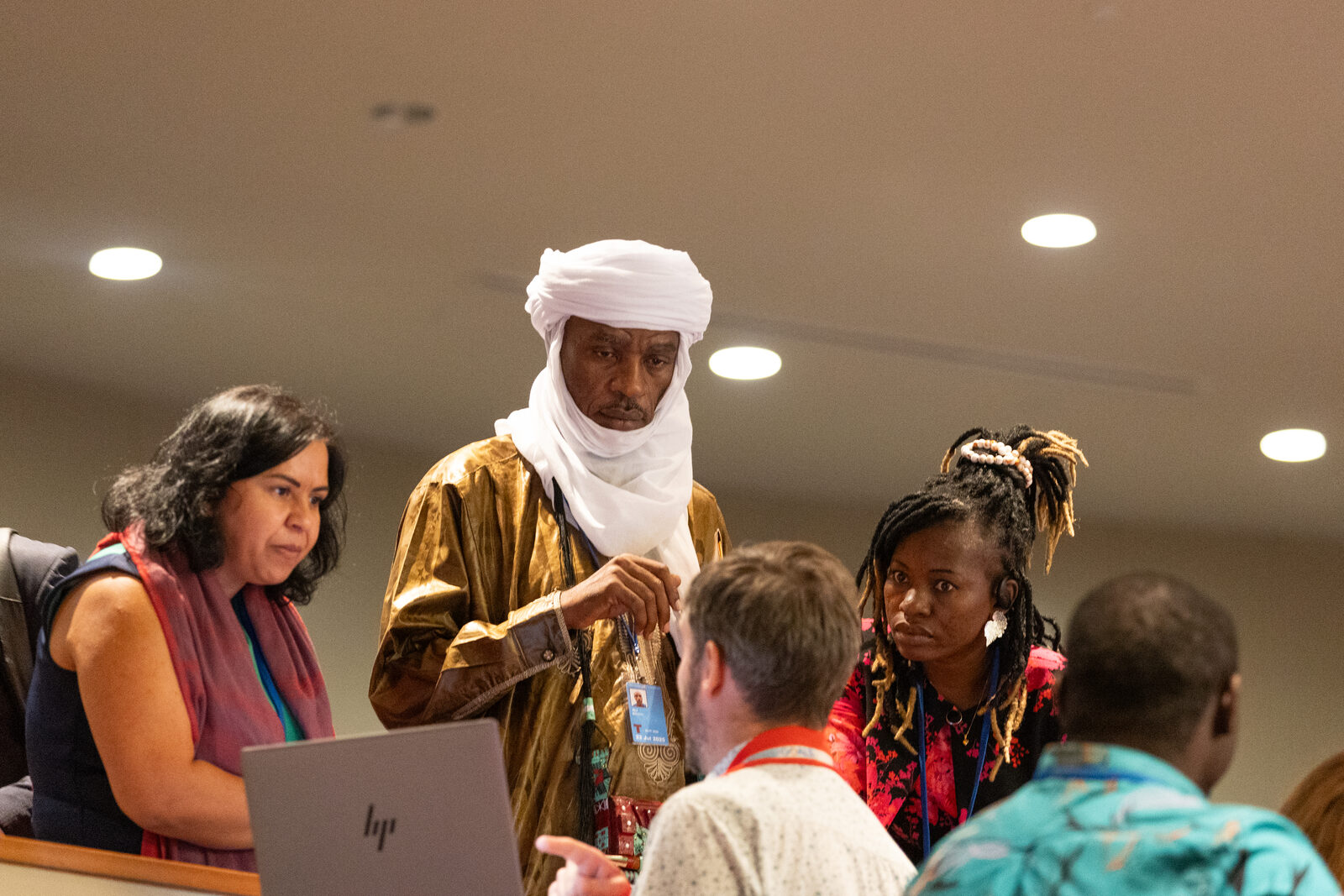
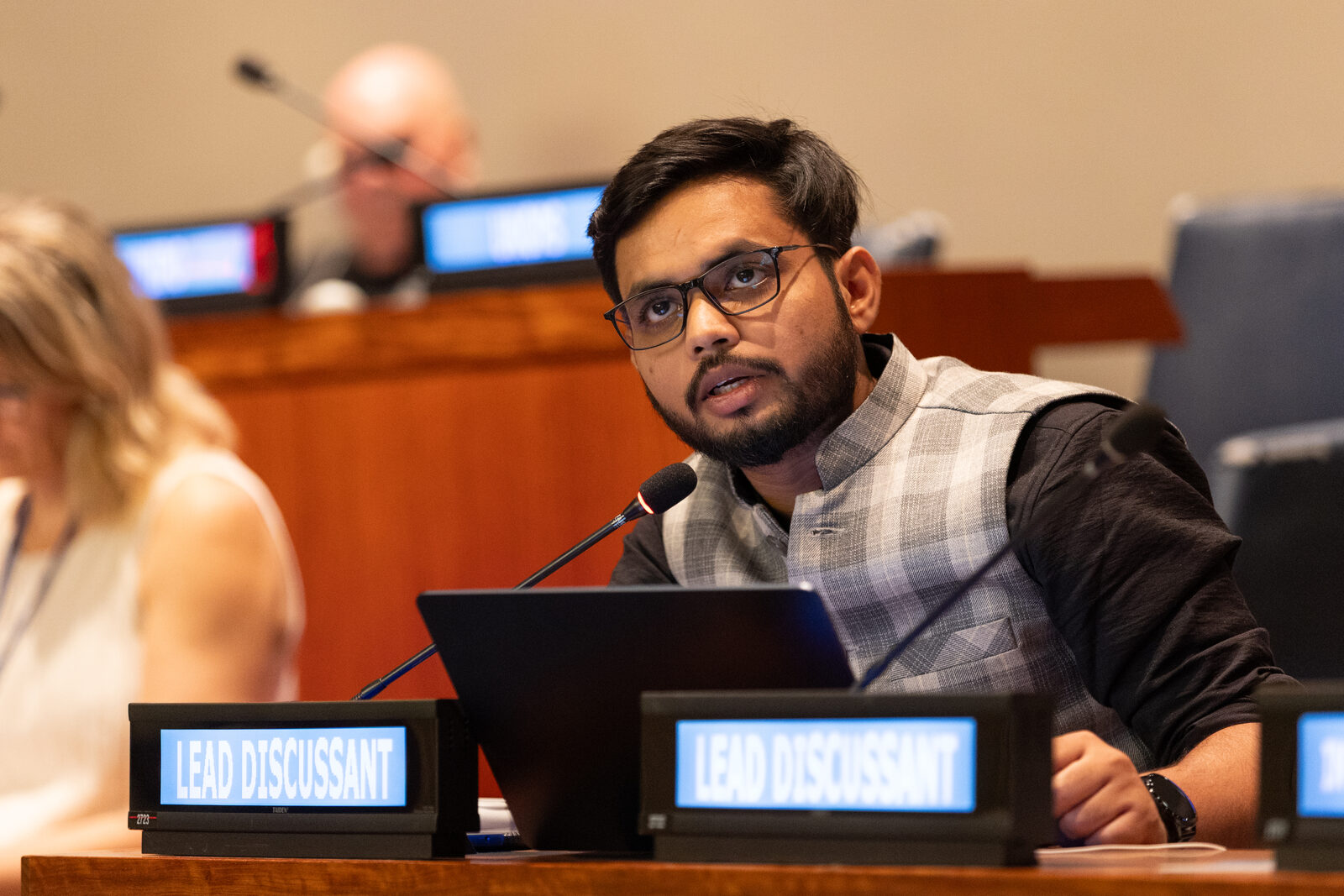
Through our Community Rights Experts Programme we strengthen leadership from within our communities - building skills in human rights advocacy, policy engagement and accountability mechanisms to drive change locally, nationally and internationally. Trained advocates take their community's lived experience all the way to the UN, and bring recognition back to the ground.
Hear from our Rights Experts in their own words:
- Kunjini's story - from child rights clubs to human rights lawyer, Nepal.
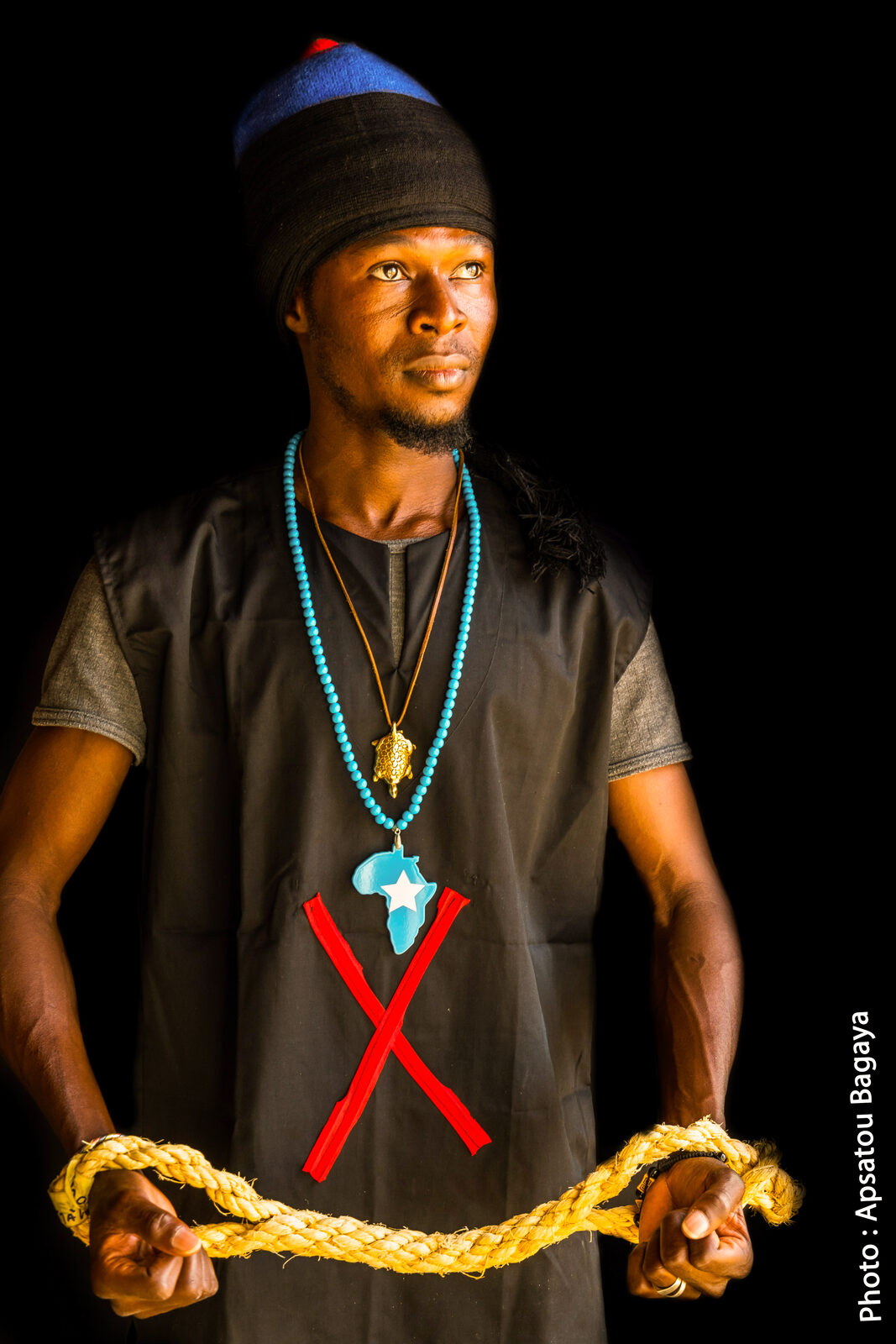
- Yacouba's story - the rapper taking the fight against slavery to the UN, Niger.
- Ali's story - turning lived experience into recognition, The Gambia.
Programme 02
Harnessing global solidarity
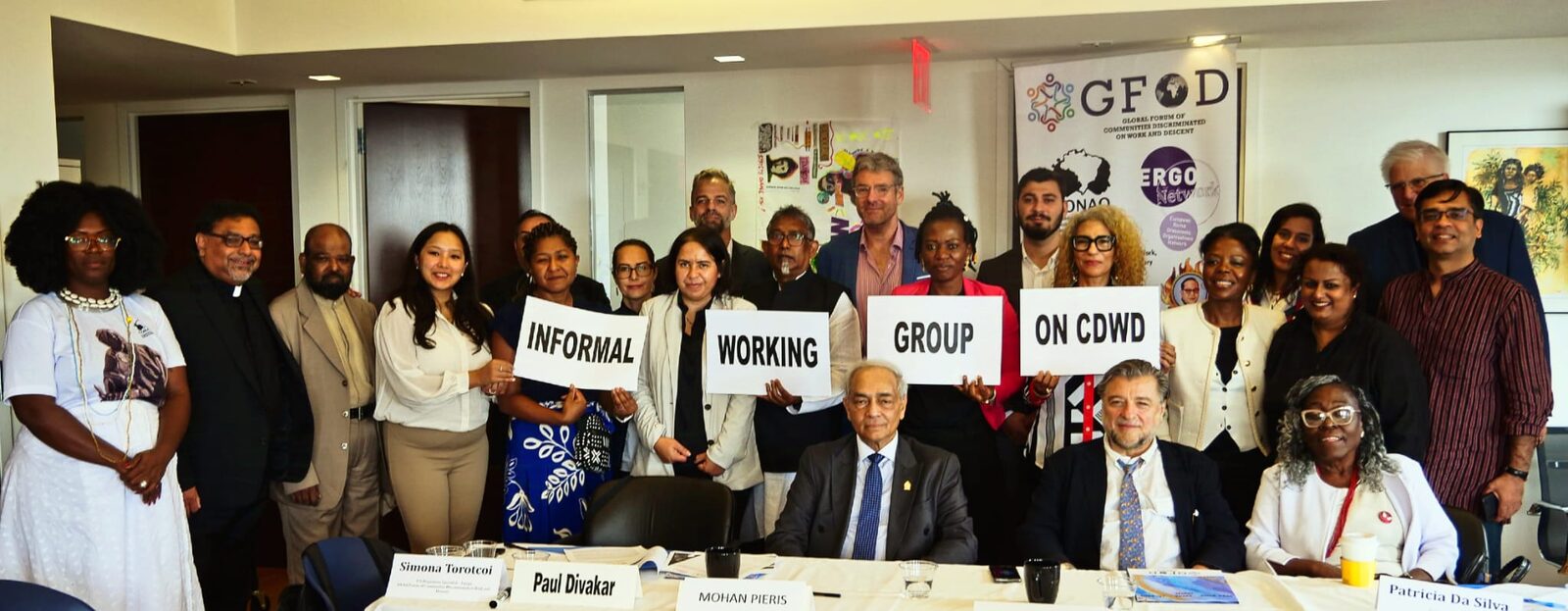
Dalits in Asia. Roma in Europe. Haratin in West Africa. Quilombola in Latin America. Different names, different places - the same inherited exclusion, the same fight. Through the Global Forum of Communities Discriminated on Work and Descent, we find each other. We share what we know, and pool our skills, strategies and hard-won experience.
Local leaders connect to regional platforms. Regional platforms feed into global policy. And the people most affected drive every step of it.
Programme 03
Women's leadership and rights
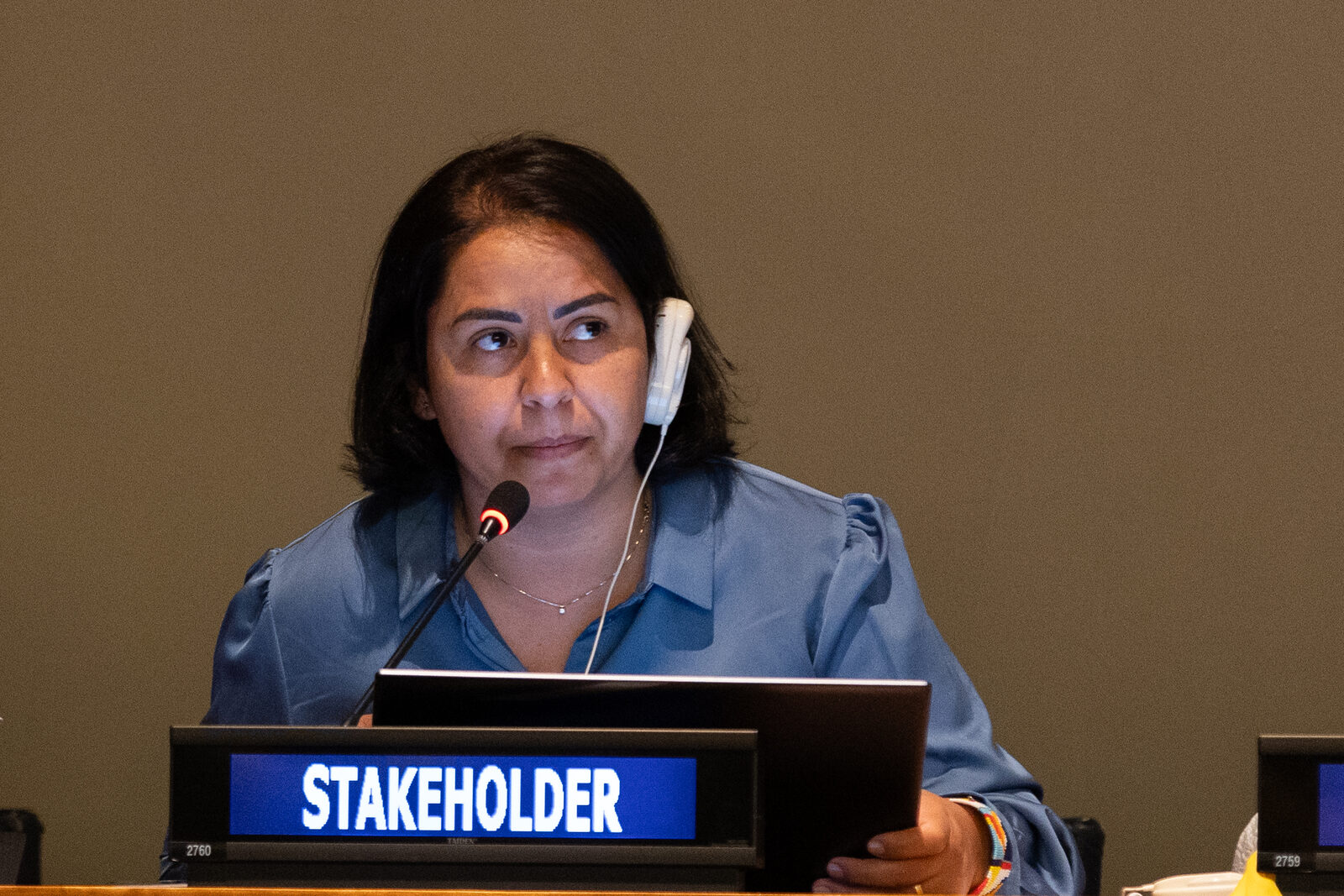
Women from our communities carry the heaviest burden of inherited exclusion - and have turned it into fuel for transformation. Through grassroots organising and partnerships with UN Women and global human rights mechanisms, we confront the stigma, forced labour, gender-based violence, child marriage and sexual exploitation that define life for too many women in our communities.
Programme 04
Youth rising beyond inherited barriers
In India, Dalit youth are teaching their communities their legal rights. In Europe, Roma students are building solidarity across borders. In Mauritania, Haratin youth are exposing caste slavery to the world. In Latin America, Quilombola and Palenque youth are defending their territories with everything they have.
We stand behind every one of them - with training, platforms and the backing to be heard.
Programme 05
Evidence building for justice
If you are not counted, you do not count. That is the reality for millions in our communities - absent from national statistics, invisible in official data, excluded from the policies and plans that shape every aspect of life.
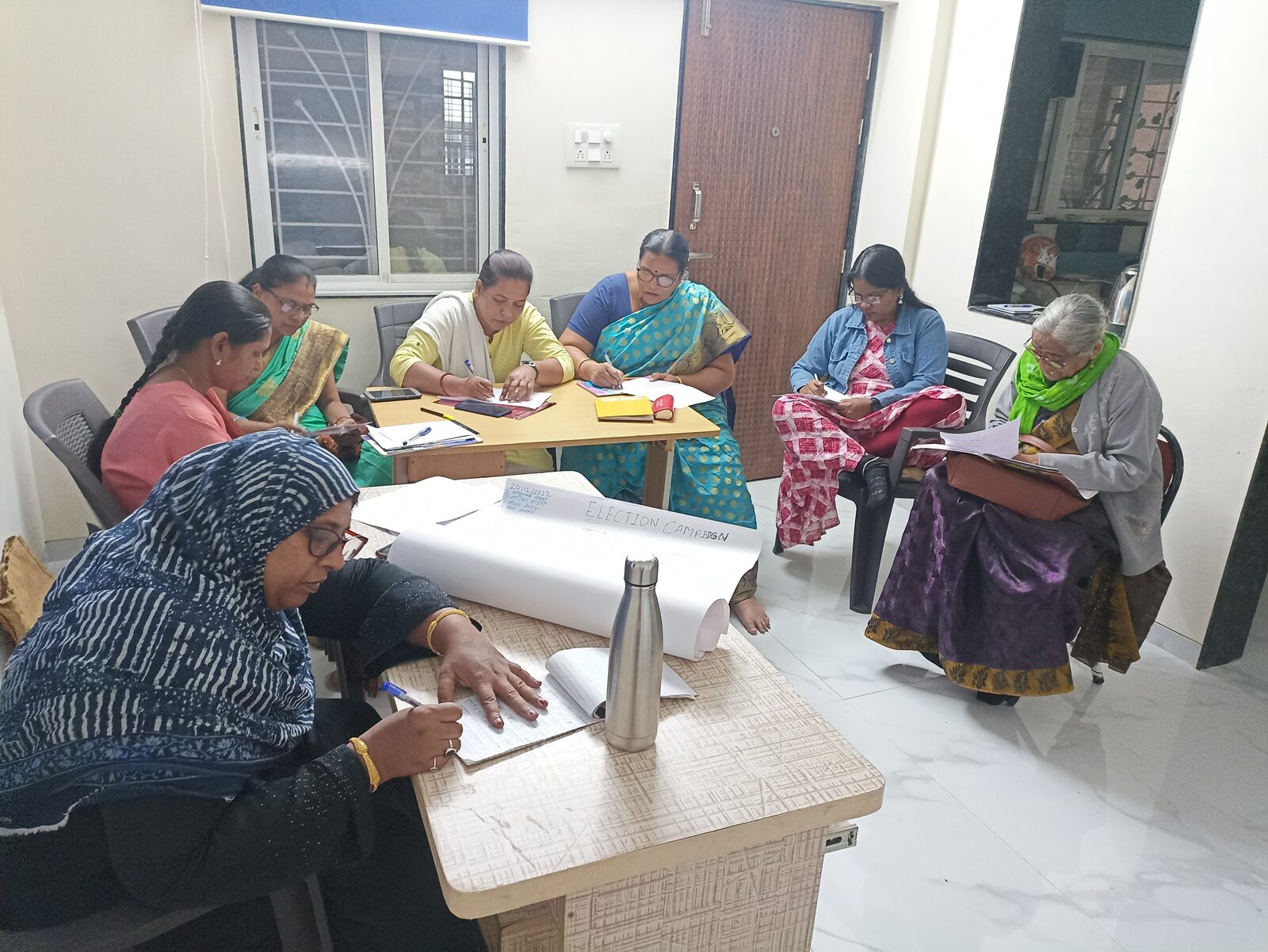
So we are building our own evidence base. Our communities collect their own data, document their own realities and produce their own analysis - because we cannot wait for systems that have always overlooked us to suddenly decide to see us.
Each programme is built from the ground up.
Local realities shape regional strategies, which shape global advocacy. Your support keeps every programme running.